
When Freedom Sounds Different: Supporting Veterans Through the Fourth of July
 Supporting Veterans Through the Fourth of July
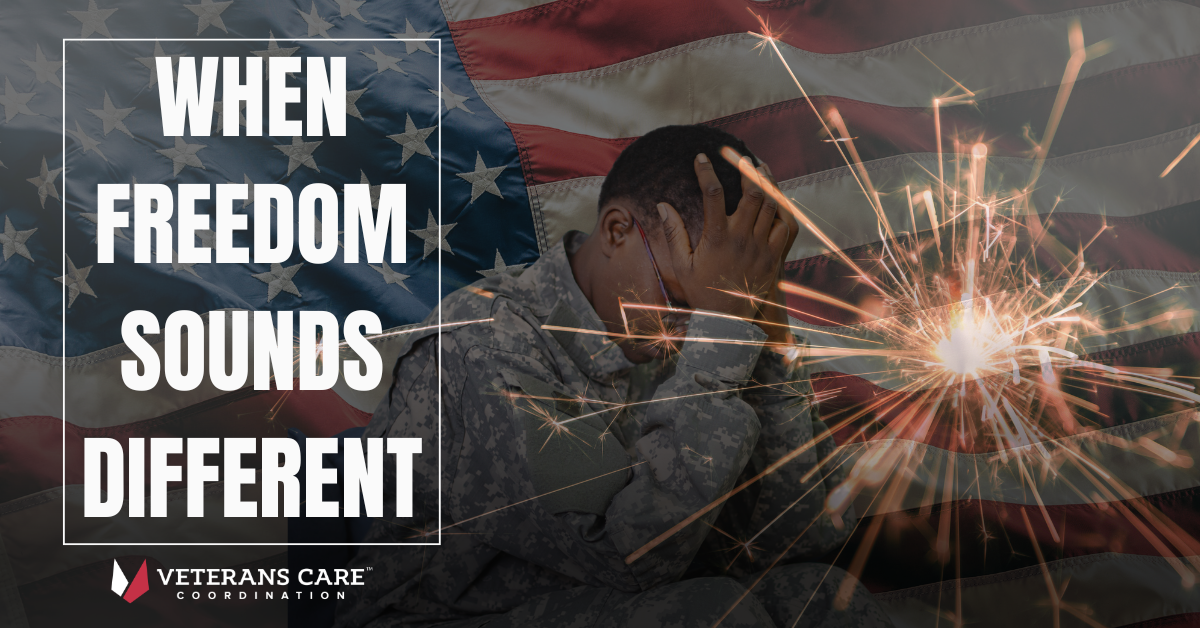
For many Americans, the Fourth of July means backyard barbeques, parades, and fireworks lighting up the night sky. But for some Veterans, those same sights and sounds can bring back memories they never asked to revisit.
The loud booms, flashes, smoke, and unpredictability of fireworks can serve as trauma reminders for Veterans who experienced combat or other traumatic events. According to the U.S. Department of Veterans Affairs National Center for PTSD, these sensory cues can trigger anxiety, flashbacks, sleep disturbances, or intense emotional reactions. Veterans may also experience hypervigilance, which is when a person who has suffered trauma feels perpetually “on guard.” Their “fight or flight” response continuously scans for threats, leading to exhaustion and physical stress. While most people see fireworks as a celebration, some Veterans can spend the days leading up to Independence Day bracing themselves for what they know is coming.
And it isn’t always about fear.
For many wartime Veterans, the Fourth of July can also stir memories of friends who never made it home, experiences they rarely talk about, and the sacrifices that came with protecting the freedoms others celebrate. Sometimes the holiday carries grief, survivor’s guilt, or simply the exhaustion of reliving moments they wish they could leave in the past.
As caregivers, family members, neighbors, and friends, one of the greatest gifts we can offer is understanding.
How You Can Support a Veteran During the Fourth of July
Reach Out and Check In
A simple phone call or text can mean a lot. A message like, “I’m thinking about you this week. How are you doing?” can make a difference.
Avoid making assumptions or putting pressure on them. Some veterans may appreciate company, while others may prefer some quiet time. Just letting them know they are not alone can make a difference.
Ask What Helps
Every Veteran’s experience is different. Instead of guessing, ask:
- “What would make this weekend easier for you?”
- “Would you rather stay home, get out for a while, or spend time with family?”
Listening without judgment shows respect for their experiences.
Create Alternatives to Fireworks
Celebrating doesn’t have to revolve around loud noises.
Consider:
- Going to a movie theater during peak fireworks hours.
- Spending the evening playing cards or board games.
- Having a daytime cookout instead of a nighttime gathering.
- Watching patriotic concerts or movies indoors.
- Taking a drive to a quieter area.
- Planning activities with grandchildren or loved ones earlier in the day.
Sometimes simply changing the setting can make the holiday more enjoyable.
Help Create a Calm Environment
Veterans who are sensitive to fireworks may benefit from:
- Noise-canceling headphones or earplugs.
- White noise machines or fans.
- Closing curtains to reduce flashes.
- Listening to music or watching television to mask outside sounds.
- Spending time with a trusted family member, friend, or pet.
Understand That Reactions Are Real
PTSD is not weakness, and reactions to trauma are not something a person can simply “turn off.” Some Veterans may become withdrawn, irritable, anxious, or have trouble sleeping. Others may appear fine on the outside while struggling internally. Patience and compassion go much further than telling someone to “relax” or “get over it.”
Honor Their Service Beyond One Day
Sometimes the most meaningful thing you can do is listen. Ask about the people they served with. Ask about memories they’d like to share. Thank them—not just for their service, but for the sacrifices and burdens that often continue long after the uniform comes off.
Not every Veteran struggles with fireworks, and no two experiences are the same. But many do. This Independence Day, while we celebrate the freedoms they helped protect, we can also honor their service by showing understanding, checking in, and remembering that healing often happens through connection.
Sometimes the most patriotic thing we can do is check in on and support Veterans through days that may be challenging.
