
Home Care for Veterans
Celebrating Halloween with Seniors in 2020
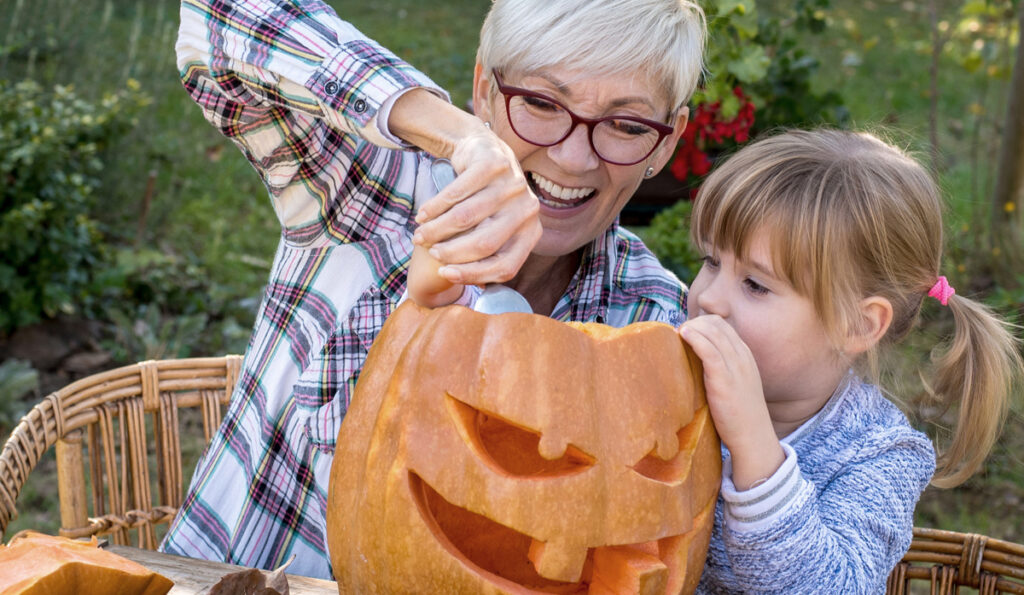
Halloween brings costume parties, neighborhood trick or treating, and decorating our homes. 2020 has put a question mark on all the traditional Halloween festivities. According to the CDC each person should assess current COVID-19 levels in their community to determine whether to postpone, cancel, or limit the number of attendees to any events they may…
Read MoreA Promising Outlook for Home Care
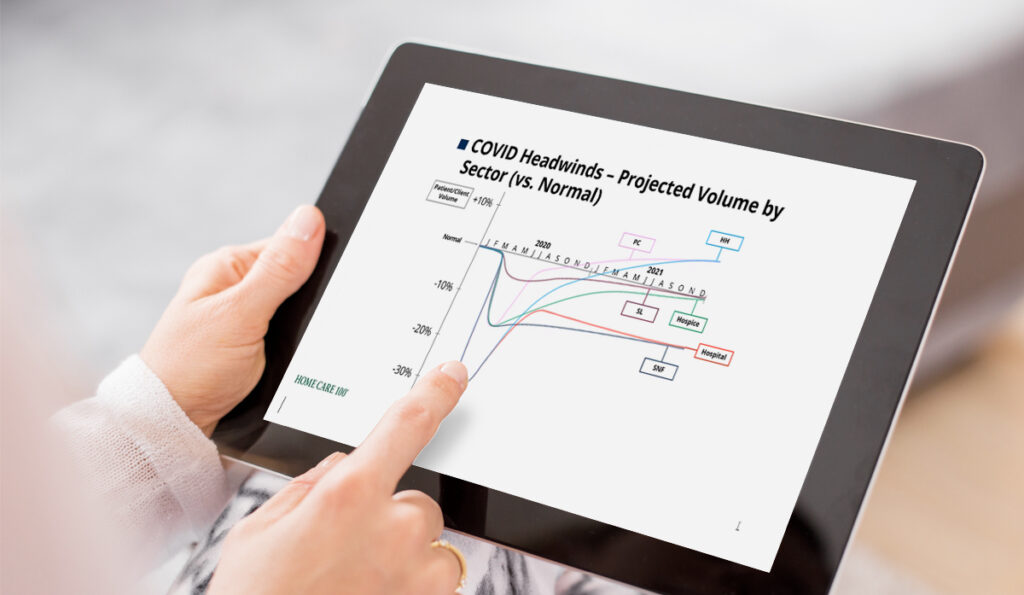
Those of us in home care know that senior adults prefer staying independent in their homes. Until recently, and particularly since COVID, healthcare has moved more toward home-based care, with the agreement that home is the safest place to be. Recently, I sat in on a webinar hosted by Home Care 100, a preeminent leadership…
Read MoreGolden Years: How Seniors Can Live Their Best Life in 2020

Veterans Care Coordination’s mission is to improve the quality of life for Veterans and their families. This month we’re focused on helping seniors live their best life in the coming year. Here are eight ways aging seniors can express their new-found freedom and live their best life in 2020.
Read MoreLosing a Spouse: Healing Hearts Through Home Care
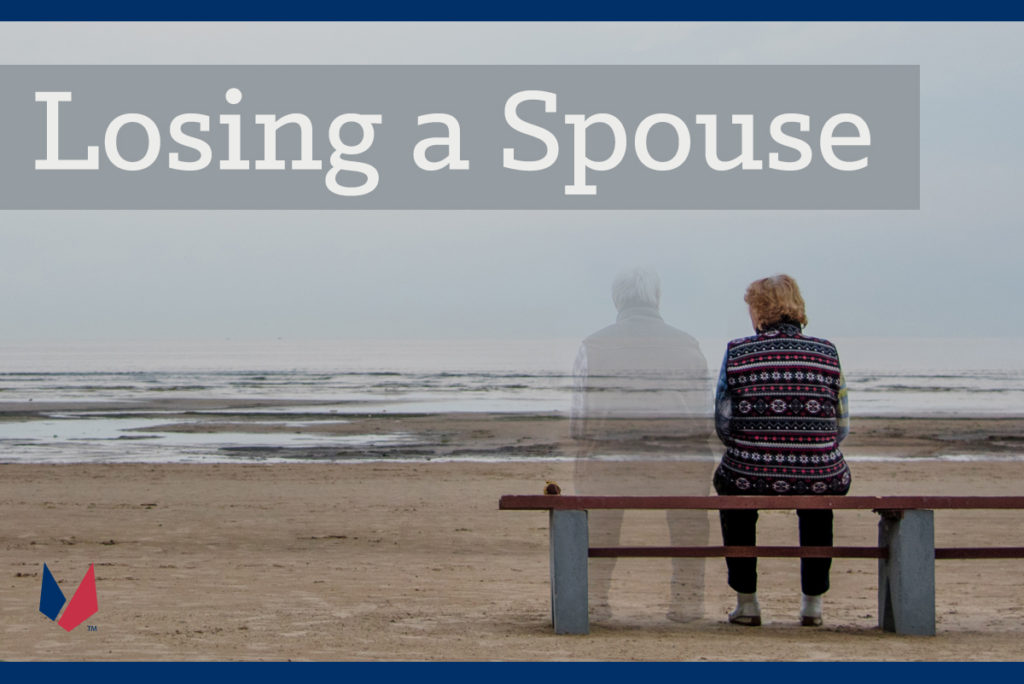
The physical and emotional effects of losing a spouse range from trouble sleeping and lack of appetite to severe depression and an increased risk of heart failure. That’s why caring for seniors who’ve lost their spouse is so important and why we’ve designated October as Healing Hearts month at VCC.
Read MoreHealthy Aging: The Dimensions of Wellness for Seniors
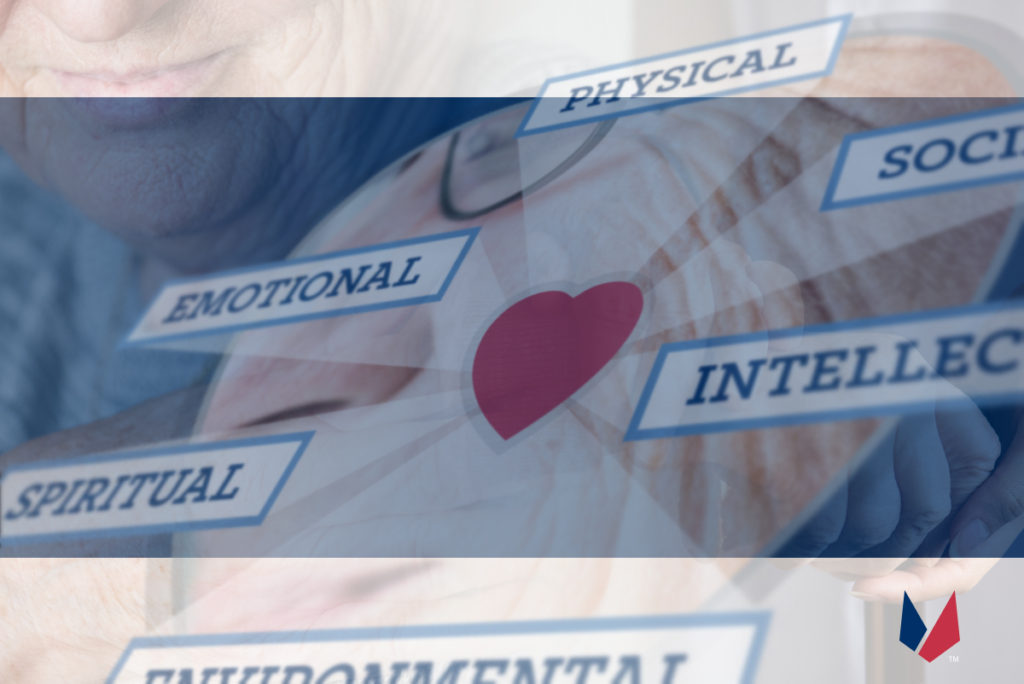
In honor of Healthy Aging Month, we’re taking a closer look at how seniors can improve their health and how home care services can help them continue living well in every aspect of their lives.
Read MoreShifting Perceptions: Examining the Misconceptions of Aging Seniors and Home Care
We’re living longer, and we’re not just existing for more years—we’re living productive lives longer than ever before in our history. This shift in the demographic structure of our society requires us to let go of some common misconceptions.
Read MoreWhat’s Changing for Veterans and Home Care Providers

Changes to Veterans’ programs can often lead to temporary confusion among home care providers. Messaging at the local and the federal levels can appear conflicting, which only serves to raise more questions. We hope to clarify some of the confusion and provide insight into the changes and what impact they might have on caring for…
Read MoreVeterans and Parkinson’s Disease: How Home Care Services Can Help
During Parkinson’s awareness month, we hope to help as many Veterans as possible gain access to the home care they need in order to continue living the high-quality life they deserve.
Read MoreAging in Place: How Home Care Services Benefit Aging Heroes
Nearly ten million Veterans are age 65 or older. According to the National Council for Aging Care, over a million of these retired Veterans served in the Korean War, just under a million served in WWII, and the remainder (4.8 million) served in Vietnam. Within the next 10 years, another 1.6 million Vietnam Veterans will reach retirement age.
Read MoreVeterans and Heart Health: How Home Care Services Can Make a Difference
Heart disease is the leading cause of hospitalizations in the VA health care system. It’s also a leading cause of death – accounting for nearly one in three people– in the U.S. Several studies suggest that Veterans are particularly vulnerable to heart disease*. This month, we’re focusing on Hearts of Heroes, sharing heart-healthy tips, and working to ensure that our wartime Veterans have access to the home care they need in order to lead healthy lives.
Read More